
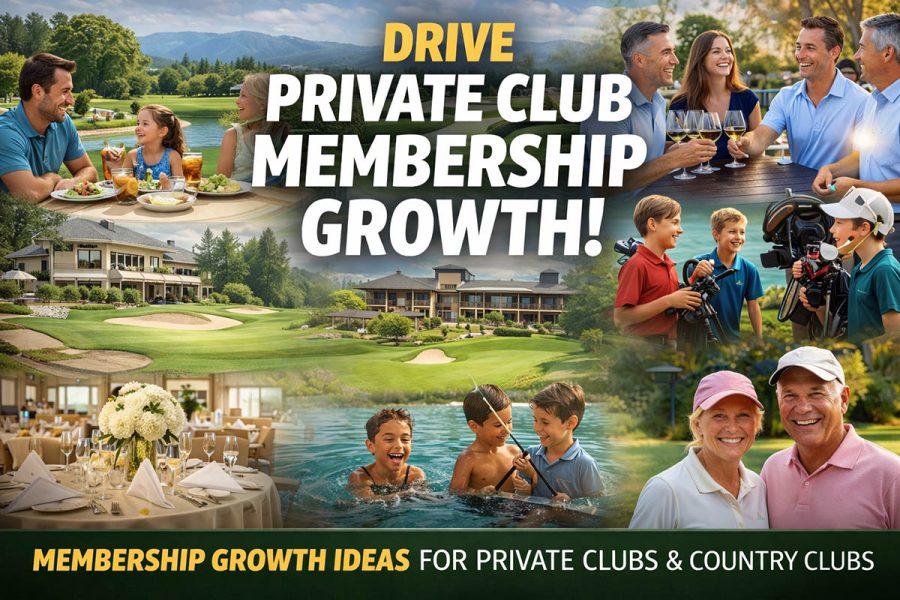
Private clubs and country clubs face a unique challenge. They are not just selling golf, dining, or amenities. They are selling belonging, lifestyle, relationships, and long-term value. That means membership growth is rarely about one promotion or one ad. It is about creating a club experience that people want to join, talk about, and stay connected to for years.
For many clubs, the question is not whether there is demand. The real question is how to position the club in a way that feels relevant to today’s families, professionals, retirees, and younger members. A strong membership strategy should make the club feel welcoming, aspirational, active, and worth the investment.
The good news is that there are many ways private clubs and country clubs can drive membership growth without lowering their standards or diluting their brand. With the right approach, clubs can create more interest, better referrals, stronger tours, and a clearer value story that turns prospects into members.
Start by Selling the Lifestyle, Not Just the Amenities
One of the biggest mistakes clubs make is leading with a list of features. Golf course. Pool. Dining. Tennis. Events. Fitness. Those amenities matter, but people are not usually making a membership decision based on a checklist alone.
They are asking bigger questions.
Will this club improve my family’s lifestyle?
Will I meet the right people here?
Will my kids enjoy it?
Will I actually use it?
Does this feel like a place I belong?
That means your membership messaging should focus on outcomes, not just offerings. Instead of only describing the course or clubhouse, show what membership looks like in real life. Highlight family dinners, member tournaments, holiday events, junior programs, networking opportunities, couples activities, and everyday moments that make the club special.
When prospects can picture themselves there, they are more likely to take the next step.
Make the First Impression Better
Membership decisions often start online long before anyone fills out a form or schedules a visit. If your club website feels outdated, difficult to navigate, or too vague, you may be losing prospective members before you ever speak to them.
Your website should make the club feel polished, active, and desirable. It should clearly explain who the club is for, what makes it unique, and how a prospective member can learn more.
A strong membership-focused website should include:
- Professional photography and video
- A clear overview of membership categories
- Lifestyle-driven messaging
- A simple inquiry form
- A page focused on club events and experiences
- Information about golf, dining, family, and social offerings
- Testimonials or member stories
- Strong calls to action
Your digital presence should help a prospect feel confident that your club is well-run, current, and worth exploring.
Create a Better Membership Tour Experience
A club tour should feel personal, intentional, and memorable. Too often, tours feel like generic walk-throughs of the building and property. But a membership tour is really a sales experience. It should help the prospect emotionally connect to the club.
That means the tour should be tailored to the person visiting.
If they are a young family, talk about the pool, kids programming, family dining, and holiday events.
If they are avid golfers, highlight course conditions, pace of play, member events, and practice facilities.
If they are business professionals, emphasize networking, dining, and social connections.
If they are empty nesters, focus on community, social life, convenience, and leisure.
Whenever possible, make the visit feel alive. Let prospects see people enjoying the club. Let them experience hospitality. Offer lunch, introduce staff, or coordinate a casual interaction with a current member.
A good tour informs. A great tour helps the prospect feel what membership could be like.
Use Member Referrals More Intentionally
Some of the best membership prospects are already connected to your club through current members. But many clubs do not actively encourage or support referrals in a structured way.
Members are often willing to invite friends, coworkers, neighbors, or relatives if they are given a reason and a simple process.
Ideas that can help include:
- Member guest golf events
- Bring-a-friend dining nights
- seasonal open house events
- family experience days
- referral appreciation programs
- exclusive preview events for invited guests
The goal is not to turn your members into salespeople. It is to make it easier for them to naturally introduce the club to people in their circle.
Warm introductions are often far more effective than cold marketing.
Build More Family-Focused Programming
Many clubs say they want younger families, but their programming does not always support that goal. If your club wants to grow membership, especially among younger professionals and parents, it needs to show that the club is not just for golf. It is for the whole household.
Family-focused ideas can include:
- kids nights
- family swim events
- junior golf clinics
- holiday brunches
- movie nights on the lawn
- parent-child tournaments
- summer camps
- casual family dining specials
When families see that the club offers value for everyone, the membership becomes much easier to justify. Parents are far more likely to commit when they believe the whole family will use and enjoy the club.
Highlight Social Membership Value
Not every prospect is looking for full golf access. Some are more interested in dining, events, social opportunities, and community. Clubs that clearly position social memberships can create a strong entry point for people who may later upgrade.
A strong social membership strategy can attract:
- young professionals
- couples
- new residents
- empty nesters
- local business leaders
- families who want a lifestyle club without heavy golf use
If your club offers social, dining, or lifestyle-oriented memberships, those should be marketed just as intentionally as golf memberships. They are often a valuable gateway into long-term club relationships.
Use Events as Membership Marketing
Events can play a major role in membership growth. They give prospective members a reason to visit, experience the club atmosphere, and interact with members and staff in a more natural setting.
Good membership-driving event ideas include:
- prospective member mixers
- open house weekends
- golf demo days
- wine tastings
- live music nights
- holiday showcases
- wedding and event venue previews
- business networking events
- ladies introduction events
- family fun days
These events should not feel like hard sales pitches. They should feel like an invitation into the club experience. The best membership marketing often happens when prospects are enjoying themselves rather than being “sold.”
Improve Your Content and Social Media Strategy
Private clubs and country clubs often underuse social media as a membership tool. The goal is not to post more for the sake of posting. The goal is to show the energy, culture, and value of the club.
Your content should help outsiders understand that the club is active, welcoming, and desirable.
Strong content ideas include:
- event recaps
- course condition highlights
- chef features
- member spotlights
- junior program photos
- pool and patio lifestyle content
- holiday setup and event previews
- couples golf nights
- clubhouse atmosphere
- sunset dining or terrace content
This kind of content helps prospects picture themselves at the club. It also gives current members something to share, which extends your reach through trusted personal networks.
Make Membership Messaging More Clear
Sometimes clubs struggle to grow simply because their messaging is too vague, too formal, or too focused on internal language. Prospects should not have to work hard to understand why your club matters.
Clear messaging should answer:
- What kind of club experience do you offer?
- Who is it ideal for?
- What makes your club different?
- What does membership include?
- What kind of lifestyle does it support?
- How can someone get more information?
The stronger and more specific your message is, the easier it becomes for a prospect to say yes to a tour, inquiry, or conversation.
Create Seasonal Membership Campaigns
Membership marketing should not be passive. Clubs should build campaigns around key seasons when interest is naturally higher.
Examples include:
- spring golf season kickoff
- summer family membership push
- fall social season promotion
- year-end incentive campaigns
- holiday gift or trial experiences
- new resident welcome campaigns
A seasonal campaign gives your club a reason to promote membership consistently rather than waiting for prospects to appear on their own.
Partner With Local Businesses and Real Estate Networks
Some of the best potential members may be new to the area or already living nearby without fully understanding what your club offers. That is why local partnerships can be valuable.
Good local partnership opportunities include:
- luxury real estate agents
- home builders
- relocation professionals
- community banks
- chambers of commerce
- local business leaders
- wedding and event vendors
These relationships can help introduce your club to qualified prospects in a more trusted and organic way.
Showcase the Club’s Community and Culture
Amenities can attract attention, but culture closes the deal. People want to know what the club feels like. Is it warm and welcoming? Is it active and social? Is it multigenerational? Is it polished but approachable?
Your marketing should communicate the personality of the club. Member testimonials, photos of real club life, video content, and staff hospitality all help reinforce that this is more than a place to play golf. It is a place to belong.
Make Joining Easy
Even a highly interested prospect can drop off if the process feels confusing or slow. A strong membership process should be smooth, responsive, and easy to understand.
That means:
- quick responses to inquiries
- clear next steps
- easy scheduling for tours
- straightforward membership information
- professional follow-up
- polished presentation materials
A club should feel high-end, but that does not mean the process should feel difficult.
Retention Supports Growth Too
Driving membership is not only about bringing in new people. It is also about keeping current members engaged and happy. A club with strong retention creates better word of mouth, stronger referrals, and a healthier reputation.
When current members are proud of their club, they naturally become your best ambassadors.
Final Thoughts
Private clubs and country clubs grow membership when they clearly communicate value, create a welcoming experience, and market the full lifestyle of the club. The strongest clubs do not just promote amenities. They promote connection, convenience, family experiences, social opportunities, and community.
Membership growth is not about being everything to everyone. It is about understanding your ideal member, presenting the club in a compelling way, and making it easy for the right prospects to picture themselves there.
For clubs looking to drive more interest and more inquiries, the opportunity is often already there. It just needs to be packaged, promoted, and experienced more effectively.